

What is Blue Fly Tech? 5 Essential 2026 Use Cases. In the rapidly shifting landscape of 2026, technology is no longer just about convenience; it is about precision and survival. Among the most talked-about innovations this year is Blue Fly Technology.
While the name might sound like something out of a science-fiction novel, its impact is grounded in the very real needs of search and rescue, national security, and high-tech logistics.
But what exactly is it? At its core, Blue Fly Technology (specifically the BlueFly® platform developed by Parsons) is an advanced sensing and detection system designed to be mounted on uncrewed aerial systems (UAS), or drones.
It transforms a standard drone into a powerful “bloodhound” in the digital sky, capable of sniffing out signals that the human eye—and even traditional thermal cameras—might miss.
Understanding the Core: How Blue Fly Works
To understand Blue Fly, you have to think about the “digital exhaust” we all leave behind. Almost every modern person carries at least one device that emits Bluetooth Low Energy (BLE) or Wi-Fi signals. This includes your smartphone, smartwatch, fitness tracker, and even medical devices like wireless glucose monitors.
Blue Fly Technology utilizes a high-sensitivity sensor that:
- Detects: Scans the environment for unintended, low-power Bluetooth and Wi-Fi emissions.
- Identifies: Categorizes the type of device to help responders know what they are looking for.
- Localizes: Uses signal strength (RSSI) relative to the drone’s flight path to pinpoint the exact coordinates of the signal source.
Unlike traditional search methods that rely on visual sightings, Blue Fly can “see” through thick forest canopies, debris, and even some structures, making it the gold standard for situational awareness in 2026.
1. Revolutionary Search and Rescue (SAR)
The most profound application of Blue Fly Technology in 2026 is in the realm of saving lives. In years past, search and rescue was a race against time, often hindered by rugged terrain or poor visibility.
Finding the Lost in the Wilderness
For hikers or campers lost in vast national parks, Blue Fly acts as a beacon of hope. Even if a person is unconscious or unable to call for help, their smartwatch or phone continues to pulse a signal. A Blue Fly-equipped drone can cover a 200-meter swath in a single pass, scanning areas that would take ground teams days to navigate.
Disaster Response and Recovery
In the aftermath of natural disasters—such as the floods or earthquakes seen in early 2026—Blue Fly is deployed to locate survivors trapped under rubble or in isolated areas. By identifying high concentrations of Bluetooth signals, emergency teams can prioritize their efforts where the probability of finding survivors is highest, drastically improving survival outcomes.
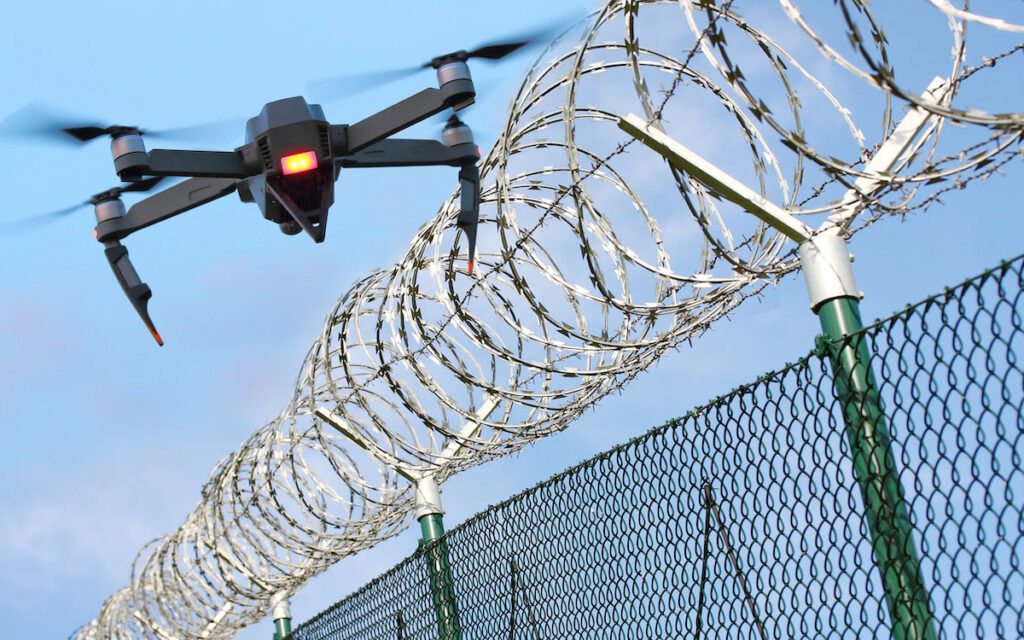
2. Enhanced Border Security and Surveillance
As global borders face increasing pressure, security agencies have turned to “Blue” tech to provide a non-intrusive yet highly effective layer of monitoring.
Detecting Unauthorized Crossings
Traditional border surveillance relies heavily on cameras and motion sensors, which can be fooled by weather or terrain. Blue Fly adds a new dimension by detecting the electronic signatures of individuals. Since most people today travel with mobile devices, Blue Fly-enabled drones can patrol remote border zones and alert agents to the presence of unauthorized signals in real-time.
Monitoring High-Risk Zones
In regions where illegal smuggling or trafficking is prevalent, these drones provide continuous, “stealthy” surveillance. Because the Blue Fly sensor is drone-agnostic and lightweight (often weighing less than a pound), it can be deployed on various platforms to maintain a constant eye on high-risk corridors without the need for a massive physical footprint.
3. Critical Infrastructure Protection
In 2026, the security of our power grids, water treatment plants, and data centers is more critical than ever. Blue Fly Technology is being integrated into the security protocols of these facilities to prevent “insider threats” and unauthorized physical breaches.
Detecting Rogue Devices
Security teams use Blue Fly to scan secure perimeters for unauthorized wireless devices. If a smartphone or a “skimming” device is detected in a restricted area where no electronics are permitted, the system triggers an immediate alert. This helps prevent data breaches and physical tampering with sensitive equipment.
Automated Security Patrols
Many industrial sites now use Blue UAS—drones vetted for high cybersecurity standards—equipped with Blue Fly sensors to conduct 24/7 automated patrols. This reduces the reliance on human guards and ensures that the entire perimeter is monitored for both visual and electronic anomalies.
4. Advanced Logistics and Asset Tracking
The logistics world has been reinvented in 2026, moving toward what experts call “Hyper-Aware Supply Chains.” Blue Fly Technology plays a pivotal role in how companies manage large-scale inventory in massive outdoor hubs.
Real-Time Inventory Mapping
In sprawling shipping ports or construction yards, tracking high-value assets (like heavy machinery or sensitive cargo) can be a nightmare. By equipping these assets with BLE tags, managers can use a Blue Fly drone to fly over the yard and generate a real-time digital map of every item’s location.
Streamlining Port Operations
At major global ports, Blue Fly assists in identifying “dark” cargo or equipment that has been misplaced. The ability to localize signals within centimeters allows for a level of efficiency that was previously impossible, reducing “dwell time” and speeding up the global flow of goods.
5. Public Event Safety and Crowd Management
With major global events like the 2026 FIFA World Cup and the Milano-Cortina Winter Olympics, crowd safety is a top priority. Blue Fly is being utilized by law enforcement to manage these high-density environments safely.
Monitoring Crowd Density
By detecting the density of Bluetooth and Wi-Fi signals in a specific area, officials can accurately estimate crowd size and movement patterns. If a particular gate or corridor becomes dangerously overcrowded, the Blue Fly data allows for “pre-emptive” crowd redirection before an incident occurs.
Locating Missing Persons in Crowds
At a stadium with 80,000 people, finding a lost child or a person in medical distress is a daunting task. Blue Fly can assist by “filtering” for a specific device ID provided by a family member, helping security teams home in on the individual’s location amidst the sea of people.
The Future: Ethical and Secure Integration
As we move further into 2026, the conversation around Blue Fly Technology is also focusing on privacy and cybersecurity. Because this tech is part of the “Blue UAS” ecosystem, it is designed with “Security by Design” principles. This means the data collected is encrypted and follows strict federal guidelines to ensure it is used only for its intended purpose—saving lives and protecting infrastructure.
The integration with the Team Awareness Kit (TAK) allows different agencies to share this data instantly, creating a unified response that was once the stuff of dreams.
Summary of Key Features
- Drone-Agnostic: Can be mounted on almost any modern UAV.
- Real-Time Data: Delivers location data instantly to ground teams via Android devices.
- Long Range: Capable of detecting signals from up to 200 meters away.
- Affordable: Designed to be accessible for local emergency agencies, not just federal entities.
Blue Fly Technology represents the next step in the evolution of uncrewed systems. It turns drones from simple flying cameras into intelligent sensors that can interact with the digital world to solve physical problems. Whether it’s finding a lost hiker or securing a global sporting event, “The Blue Fly” is watching over us in 2026.
About the Author


