

How Self‑Driving Car Technology Will Transform Everyday Life. Self‑driving car technology—once the stuff of sci‑fi movies—has rapidly become one of the most transformative forces shaping the future of transportation, everyday life, urban planning, and society as a whole.
In 2026, autonomous vehicles (AVs) are no longer hypothetical; they are rolling out on roads, being tested in cities, and drawing major investment from global tech and automotive leaders. From major new partnerships between AI and vehicle manufacturers to robotaxi pilots operating in busy urban environments, the momentum behind this technology signals that a profound shift in how we travel is underway.
This comprehensive article dives deep into how self‑driving car technology will transform our everyday lives, exploring the potential benefits, key real‑world changes, societal implications, and the challenges ahead.
It’s designed to be easy to understand, pleasant to read, and useful whether you’re curious about autonomous vehicles (AVs) or planning for a future where driverless cars are part of daily life.
What Are Self‑Driving Cars? A Quick Overview
Self‑driving cars—also called autonomous vehicles—are cars capable of navigating and operating without human input. These vehicles rely on a mix of technologies including:
- Artificial intelligence (AI) and machine learning
- Sensors and cameras to see the world
- Radar and LiDAR to detect distances and obstacles
- Advanced algorithms to make real‑time decisions
Together, they enable the vehicle to interpret road conditions, recognize objects, and take actions like steering, braking, and acceleration without direct human control. Current commercial efforts range from advanced driver‑assist systems (ADAS) that help drivers today to fully autonomous systems designed for no‑driver operation.
Levels of autonomy are defined from Level 0 (no automation) to Level 5 (full autonomy). In 2026, many mainstream vehicles offer advanced ADAS, while fully driverless robotaxis and freight vehicles are being tested and, in some cases, deployed publicly.
1. Safer Roads: Reducing Human Error and Traffic Fatalities
One of the most compelling promises of self‑driving cars is improved road safety. Human error — including distraction, fatigue, intoxication, and misjudgment — is currently a leading cause of vehicle crashes worldwide. By replacing human drivers with AI‑enabled systems that do not get distracted or tired, autonomous vehicles can dramatically reduce accidents.
Studies and early data show that autonomous systems can perform critical safety functions instantly and reliably. They maintain situational awareness, adhere strictly to speed limits, maintain safe distances, and use sensors that detect obstacles even in blind spots. Some industry projections suggest that widespread AV adoption could prevent a significant percentage of crash‑related injuries and deaths by eliminating error‑prone behaviors that human drivers commonly exhibit.
The ripple effect of improved safety could be enormous: fewer emergency room visits, lower insurance costs, reduced congestion caused by accidents, and safer streets for cyclists and pedestrians.
2. Changing Daily Commutes: Productivity and Well‑Being
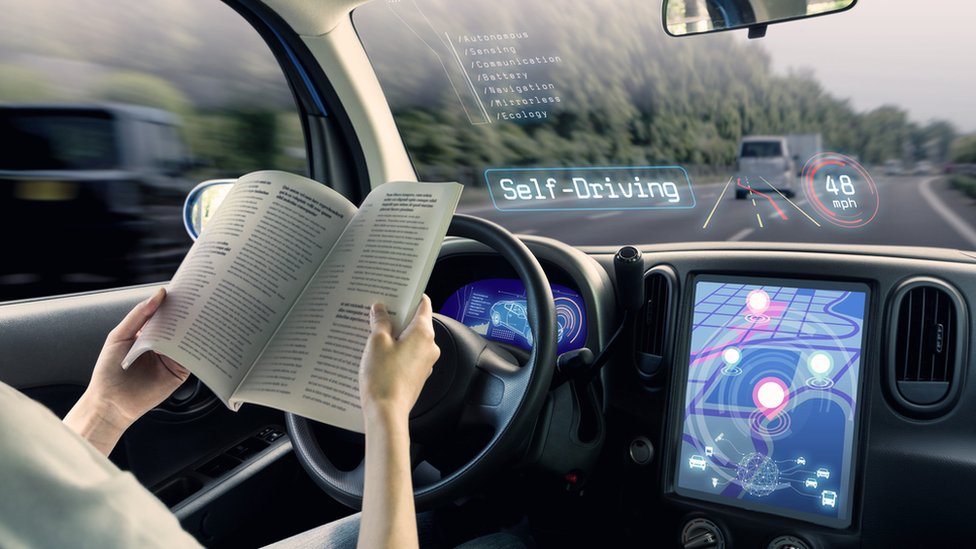
Imagine commuting without ever touching a steering wheel or focusing on traffic. Instead, your car drives you while you work, rest, or relax. This vision is increasingly becoming reality.
In many urban areas where autonomous ride‑hailing services have launched or are in pilot phases, users are already experiencing the ability to use commute time for productive activities rather than driving stress. Business travel, leisure time, and family routines stand to benefit. Rather than sitting in bumper‑to‑bumper traffic, passengers can read, make calls, catch up on sleep, or simply enjoy the journey.
This shift can improve overall quality of life, giving people back hours each week that would otherwise be spent focusing on driving. Families, shift workers, and long‑distance commuters could see especially dramatic changes in how they manage time.
3. Increasing Accessibility and Mobility for All
One of the most socially impactful transformations of self‑driving technology will be expanding mobility for people who currently struggle with transportation. This includes:
- Elderly people who can no longer drive safely
- People with disabilities
- Individuals without driver’s licenses
- Residents in underserved rural areas
Autonomous cars could offer an alternative to traditional transportation, breaking down barriers for those who currently depend on others. For example, an elderly person could travel independently to medical appointments, community events, and social visits without relying on friends or family members. Similarly, people with visual impairments or limited mobility could enjoy rides without needing a driver.
This improved access extends not just residential freedom but also economic and social participation — creating opportunities for jobs, education, and community engagement that were previously limited by mobility challenges.
4. Redesigning Urban Spaces and Cities
The arrival of self‑driving cars could also lead to major transformations in urban planning and infrastructure. Some of the key anticipated changes include:
Fewer Parking Lots and Garages
If autonomous vehicles operate as shared robotaxis or park themselves efficiently outside city centers, the need for massive urban parking facilities could decline. This would free up land for parks, housing, bike lanes, and vibrant public spaces.
Smarter Traffic Flow and Reduced Congestion
Self‑driving cars communicate with traffic systems, synchronized signals, and other vehicles, optimizing routes in real‑time and reducing stop‑and‑go traffic. Smart intersections and vehicle‑to‑infrastructure (V2I) communication could reduce delays and energy waste caused by congestion.
Better Public Transit Integration
Autonomous vehicles won’t necessarily replace buses and trains, but they could enhance them — providing “last‑mile” connectivity for riders, bridging gaps where traditional transit is inefficient or impractical. This could make public transportation even more attractive and efficient.
Overall, the urban environment could shift from a car‑centric model to one focused on people, community spaces, and mobility as a service.
5. Economic Ripples: Jobs, Ownership, and Industries
The rise of autonomous vehicles will create economic shifts with both positive and negative effects.
New Jobs and Sectors
While automation threatens some driving jobs (like long‑haul truck drivers, taxi drivers, and delivery drivers), it also creates new roles:
- AV fleet monitoring specialists
- Sensor maintenance technicians
- Software and infrastructure engineers
- Traffic system planners
- Mobility service operators
Furthermore, industries unrelated to transportation — like smart logistics, in‑car entertainment services, and data analytics — may emerge or expand as autonomous vehicles become mainstream.
Changes in Car Ownership Models
The traditional idea of owning a personal vehicle may evolve. Many people may prefer subscribing to autonomous ride‑hailing services instead of purchasing a car, especially in cities where parking is limited and mobility can be accessed on demand. This shift could reduce the overall number of vehicles on the road and transform consumer spending on vehicle maintenance, financing, and insurance.
Insurance and Liability Changes
Insurance may shift from driver‑focused coverage to product liability for manufacturers and software providers. As vehicles operate with greater autonomy, determining responsibility in crashes will require new legal frameworks — a major shift for insurers, automakers, and regulators.
6. Environmental Impact: Cleaner and Smarter Mobility
Self‑driving cars, especially when combined with electrification, can contribute to environmental improvements:
- Optimized driving patterns reduce fuel consumption and emissions
- Reduced congestion means less idling and wasted energy
- More efficient routing shortens trip lengths and decreases carbon output
By avoiding sudden accelerations and braking, AVs can execute smoother driving behaviors that improve overall energy efficiency. Over time, as autonomous vehicles replace vast numbers of traditional cars, cities could see measurable improvements in air quality and reduced noise pollution.
These benefits depend on the energy source (electric vs. fossil fuel) and deployment scale, but studies suggest self‑driving vehicles offer a meaningful path toward more sustainable urban environments.
7. Changing How We Use Vehicles: Time, Space, and Purpose
Autonomous technology won’t just replace the driver — it will transform how we experience vehicle use:
From Driving to Living
Rather than driving, passengers could:
- Work from the mobile office
- Enjoy family time
- Rest or sleep before arrival
- Engage with entertainment systems
- Use the vehicle as a workspace
This not only reclaims time but also changes expectations about mobility and productivity.
Reclaiming Urban Space
Parking lots, drive‑in zones, and car storage areas take up a significant portion of today’s cities. With AVs enabling shared usage and efficient parking outside dense areas, cities could repurpose valuable land for green space, housing, and cultural venues.
8. Robotaxis and Everyday Transportation Services
One of the most visible changes people will experience first is the rise of robotaxis — autonomous ride‑hailing vehicles operated by companies like Uber, Waymo, and others. In 2026, pilot services are already in motion in cities like San Francisco, offering rides without human drivers but with safety operators.
Robotaxis promise:
- Lower per‑ride costs than traditional taxis
- Greater accessibility
- Reduced wait times through real‑time scheduling
- Integrated payment and smart routing
- Fewer idle vehicles cruising between customers
By removing the need for drivers and reconnecting route planning with demand, robotaxis could make urban transportation significantly more efficient.
9. Challenges That Still Lie Ahead
Despite tremendous potential, self‑driving technology still faces real challenges. These include:
Technical Limitations
Sensors and AI still have trouble with unusual scenarios like construction zones, extreme weather, and unpredictable human behavior — edge cases that require massive data and advanced reasoning.
Regulatory and Legal Challenges
Governments worldwide are still developing autonomous vehicle regulations. Issues like liability, safety standards, and certification must be resolved before widespread deployment.
Public Trust
People are often skeptical of handing control to machines. Building public trust requires transparency, clear performance data, and demonstrable safety outcomes — not just marketing.
Economic Disruption
While AVs create new jobs, they also threaten existing roles in transportation sectors. Planning for workforce retraining and economic support will be crucial to avoid large‑scale dislocation.
Cybersecurity and Privacy
Connected vehicles can be vulnerable to cyberattacks. Protecting these systems from hacking and data breaches is essential to safeguard passengers and the broader infrastructure.
10. Personal and Social Transformations
As self‑driving cars become integrated into everyday life, the way we live, work, and interact with our cities will change:
- Families could plan trips without worrying about driving logistics
- Elderly individuals may maintain independence without conventional driving
- Young people may embrace mobility without learning to drive
- Rural communities could access transport services once unavailable
- Urban design may prioritize people over vehicles
These social shifts extend beyond transportation: they influence where we live, how we commute, how we interact, and how we value time and space.
Conclusion: The Road Ahead for Self‑Driving Cars
Self‑driving car technology is poised to be one of the most impactful innovations of the 21st century — potentially reshaping nearly every aspect of daily life. From safer roads and less stressful commutes to expanded mobility for underserved populations and more sustainable cities, autonomous vehicles offer a bold vision of the future.
Yet this transformation won’t happen overnight. Technical challenges, regulatory progress, economic transitions, and public trust must evolve together. By 2030 and beyond, however, the cumulative effects of these changes could touch every corner of society and inspire new ways of thinking about mobility, access, and freedom.
Self‑driving cars don’t just promise to take us from point A to point B — they promise to redefine what it means to travel, connect, and live in a rapidly changing world.
About the Author


