
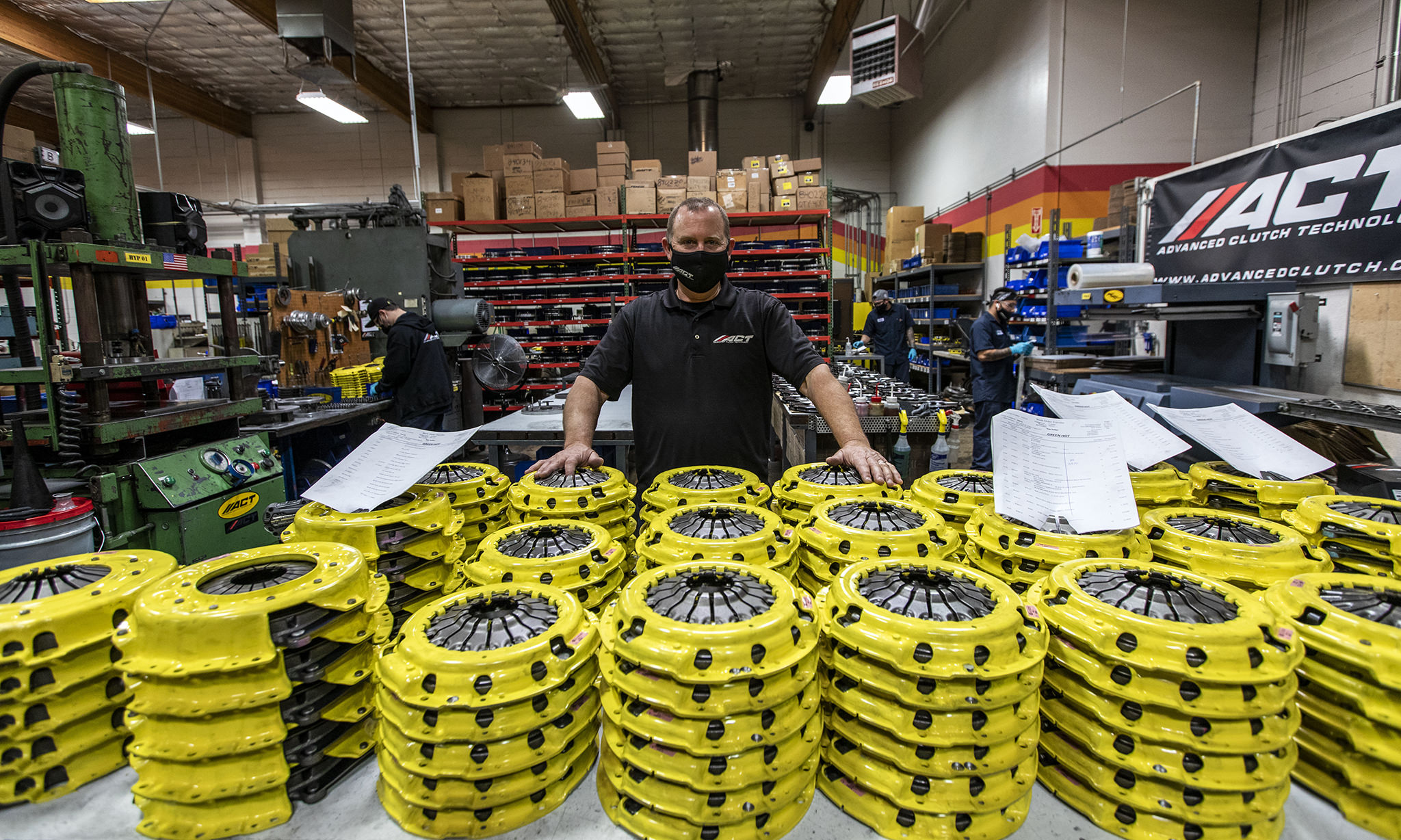
Top 5 Innovations in Advanced Clutch Technology. The humble clutch might seem like an unassuming part of a vehicle’s drivetrain, but it plays an essential role in how power is transmitted from engine to wheels.
In traditional vehicles with manual transmissions, a clutch serves as the bridge between the engine and gearbox, enabling drivers to engage and disengage the driveline. Yet in modern automotive engineering — spanning manual, automatic, hybrid, and electric powertrains — clutch technology has advanced dramatically.
In 2026, the global automotive landscape is transforming rapidly. Electrification, connectivity, automation, and the push for higher performance and efficiency have driven clutch technologies far beyond simple friction plates. Innovations now span electronic actuation, smart diagnostic systems, lightweight materials, hybrid and electric drivetrain integration, and sustainable remanufacturing processes. Collectively, these advancements are redefining how clutch systems perform, how long they last, and how they interact with modern driveline architectures.
This article explores the Top 5 Innovations in Advanced Clutch Technology that every enthusiast, technician, and automotive professional should understand — especially as 2026 accelerates new trends in both traditional and electrified vehicles.
1. Clutch‑by‑Wire (CbW) and Electronic Clutch Actuators — The Future of Intelligent Engagement
One of the most transformative developments in clutch technology is the rise of Clutch‑by‑Wire (CbW) systems and electronic clutch actuation. As vehicles become smarter, relying on software and precise control systems, clutch operation has similarly shifted from mechanical linkages to electronic actuation.
What Is Clutch‑by‑Wire?
Traditional clutch systems rely on mechanical or hydraulic connections between the driver’s pedal and the clutch plates. Clutch‑by‑Wire replaces that mechanical connection with:
- sensors to detect driver input
- ECU (electronic control unit) logic to interpret engagement needs
- actuators that physically engage or disengage the clutch without mechanical linkages
This approach simplifies the hardware, reduces moving parts, and improves response times.
Why It Matters
The shift to Clutch‑by‑Wire brings multiple practical advantages:
- Precision: Electronic control enables much finer engagement than human‑operated mechanical systems, leading to smoother shifts and reduced wear.
- Adaptability: Actuation can be tuned for different driving modes — comfort, sport, off‑road, etc. — without physical adjustments.
- Integration with Other Systems: CbW technology can communicate with engine management, torque vectoring systems, and even autonomous driving algorithms to optimize clutch engagement proactively.
- Better Hybrid Integration: In hybrid vehicles, electronic clutches can manage power blending between electric motors and internal combustion engines with much higher accuracy than traditional systems, contributing to energy efficiency and smoother transitions.
In essence, Clutch‑by‑Wire replaces the driver’s physical input with digital intelligence, transforming the clutch from a passive mechanical part to a smart, software‑driven actuator.

2. Lightweight Materials and Low‑Inertia Clutch Designs — More Power, Less Weight
Weight reduction is a central theme in automotive design — especially for performance and electric vehicles. Lightweight clutches contribute not only to improved fuel economy but also to faster engine response and decreased drivetrain inertia.
Emerging Materials in Clutch Systems
Modern clutch assemblies increasingly incorporate advanced materials such as:
- Carbon‑fiber composites
- High‑strength aluminum alloys
- Ceramic friction surfaces
These materials provide the dual benefit of reduced weight and increased durability, allowing clutch systems to withstand higher torque loads without excessive bulk.
For example, lighter components reduce rotating mass in the driveline, enabling engines to rev more freely and lowering parasitic losses — especially beneficial in performance and electric‑hybrid applications. In electrified drivetrains, reduced mass helps preserve battery energy, improving range and acceleration.
Low‑Inertia Hubs and Generative Design
Beyond material choice, engineers are applying generative design algorithms powered by AI to refine clutch geometry for maximum strength with minimal weight. These systems analyze stress distribution and vibration patterns to propose unconventional shapes that traditional design methods would overlook.
The result? A new generation of clutch hubs and plates with optimized mass distribution, rapid engagement capacity, and longevity that surpass older mechanical designs.
This evolution in materials and design is especially significant as clutch systems transition from manual driving mechanics to performance‑oriented and energy‑efficient solutions across diverse vehicle types.
3. Smart Diagnostics and Predictive Maintenance — Self‑Aware Clutches
In traditional vehicles, clutch wear is often only noticed when performance degradation becomes noticeable — usually too late. Today, advanced clutch systems come equipped with embedded intelligence and IoT connectivity, enabling real‑time monitoring and predictive maintenance.
How It Works
Modern clutches can be fitted with sensors that continuously monitor:
- torque slip profiles
- vibration signatures
- thermal gradients across friction surfaces
- engagement timing variations
- friction material resistance
These data streams are processed by AI and edge analytics to detect deviations from expected behavior. Early indicators of wear, contamination, misalignment, or unusual friction patterns are flagged long before failure occurs. This enables:
- Predictive alerts for maintenance appointments
- Reduced unscheduled downtime
- Extended clutch life due to less severe wear events
Some high‑end systems even support OTA (Over‑the‑Air) Updates, allowing manufacturers to recalibrate clutch thresholds and update diagnostic logic based on real‑world data accumulated from fleets.
Benefits for Drivers and Fleets
Whether for personal cars, commercial fleets, or performance vehicles, this smart diagnostic capability translates to:
- fewer unexpected breakdowns
- longer service intervals
- data‑driven maintenance decisions
- lower lifetime costs
By turning clutch systems into prognostic modules rather than passive parts, automotive engineers are ushering in a new era of connected drivetrain reliability.
4. Dual‑Clutch and Multi‑Stage Clutch Innovations — Speed and Efficiency Combined
Dual‑clutch transmissions (DCTs) have been a significant innovation in clutch technology for over a decade, combining performance and efficiency in ways single‑clutch systems cannot. The fundamental idea is to use two separate clutches — one for odd‑numbered gears and one for even‑numbered gears — enabling pre‑selection of the next gear and ultra‑fast shifts without interrupting power delivery.
Evolution of DCTs
Dual‑clutch systems are no longer limited to high‑end sports cars. In 2025–26, they’re increasingly engineered for mainstream vehicles, automated manual transmissions, and hybrid drivetrains. Increasingly, dual‑clutch systems include:
- Multi‑Stage Dual Clutch Systems — These go beyond the traditional two‑clutch design, using more clutches for a wider range of gears and even smoother transitions.
Electrified DCTs (eDCTs) — Integrating clutches with electric motor actuation to balance engine and electric drive seamlessly.
These developments mean DCTs deliver faster shifts, higher torque capacities, and improved fuel efficiency compared to both traditional automatic and manual transmissions.
Real‑World Examples and Benefits
Manufacturers like Stellantis have launched electrified dual‑clutch transmissions that use integrated electric motors within the DCT architecture — improving city cycle fuel economy and CO₂ reduction versus traditional automatics.
For drivers, this translates into:
- Smoother acceleration
- Fewer power interruptions during shifts
- Higher transmission efficiency
- Improved driving dynamics
By combining the best traits of manual and automatic systems, advanced DCTs represent a mature and evolving innovation in clutch technology that bridges performance with everyday usability.
5. Integration with Electrified and Hybrid Powertrains — The E‑Clutch Revolution
The automotive industry’s shift toward electrification has forced clutch technology to adapt in fundamental ways. In hybrid and plug‑in hybrid electric vehicles (PHEVs), clutches take on new roles beyond simple engagement — often acting as electronic couplers between internal combustion engines, electric motors, and generator units.
What Sets E‑Clutches Apart?
Unlike conventional systems, e‑clutches in hybrid vehicles must:
- disconnect the engine when purely electric mode is active
- seamlessly re‑engage internal combustion power when needed
- coordinate engagement with regenerative braking systems
- maintain system readiness without excessive wear
- manage torque distribution intelligently
These e‑clutch systems are typically controlled by electronic logic that works with battery state, energy demand, driver behavior prediction, and traffic sensing to optimize engagement strategies. This is especially important in start‑stop cycles and in urban traffic, where frequent clutch engagement can quickly wear traditional systems.
AI‑Driven Predictive Engagement
Modern e‑clutches incorporate predictive algorithms that estimate when a vehicle will likely re‑engage its engine — preloading the clutch mechanism to minimize lag and wear. This leads to:
- Reduced vibration and noise
- Improved driver comfort
- Energy savings during stop/start cycles
- Lower long‑term maintenance costs
Because hybrid vehicles blend two power sources, advanced clutch control is essential for delivering a seamless driving experience. The integration of clutch technology with hybrid powertrains is propelling clutch systems into the digital, efficiency‑focused future of mobility.
Sustainable Clutch Technologies — A Bonus Trend for 2026
Beyond these top five innovations, there is another noteworthy direction in clutch technology that reflects broader sustainability trends: remanufacturing and circular economy initiatives.
Remanufactured Clutches for a Greener Future
Companies like Valeo have been recognized for their work in remanufacturing complex clutch units — such as dual wet clutches — for after‑market and repair segments. This approach reuses up to 80% reused materials, reducing waste and preserving resources while maintaining performance and original equipment quality.
This model helps extend the lifespan of clutch components, supports repairability, and aligns with global sustainability goals — making clutch technology not only smarter but also greener.
How These Innovations Impact Everyday Driving
Understanding these innovations is valuable not just for engineers and industry insiders, but for anyone who drives or interacts with modern vehicles. Here’s how these advancements translate into everyday benefits:
Better Fuel Efficiency and Lower Emissions
Innovations like e‑clutches, lightweight materials, and optimized actuation translate to significant fuel savings and reduced emissions over a vehicle’s lifetime — especially in hybrid and electrified platforms.
More Responsive and Comfortable Driving
Electronic actuation and predictive engagement minimize jerkiness and latency during gear changes, making both city driving and highway cruising smoother and more predictable.
Longer Component Life and Lower Maintenance Costs
Smart diagnostics and advanced materials extend clutch life while enabling predictive maintenance — which means fewer surprises, fewer repair bills, and better resale value.
Enhanced Integration with Modern Vehicle Systems
From autonomous driving to energy management systems in electrified vehicles, advanced clutches now interact with broader vehicle electronics, contributing meaningfully to overall vehicle performance.
Future Outlook: What Comes Next
By 2030, clutch technology will continue evolving alongside powertrain electrification, artificial intelligence, and vehicle connectivity. Here are some emerging directions worth watching:
Higher Levels of Actuator Integration
Clutches may eventually be fully integrated into drive‑by‑wire systems, where all primary drivetrain operations — braking, acceleration, and torque management — are managed by software for optimal performance.
Greater Use of Magnetic and Electromagnetic Couplings
Magnetic particle clutches, which use controlled magnetic fields instead of pure mechanical friction, are gaining interest in niche industrial sectors and may find broader automotive applications in the future due to their fast response and wear resistance.
Cross‑Functional Drivetrain Intelligence
With AI underpinning more vehicle functions, clutch systems may increasingly share data with navigation, traffic prediction, and autonomous systems — improving predictive engagement and vehicle energy profiles.
Conclusion: The Clutch Is More Relevant Than Ever
Far from being just a pedal beneath your foot or a friction plate hidden under the flywheel, the clutch is central to how vehicles control torque, efficiency, comfort, and performance. In 2026, innovations like clutch‑by‑wire actuation, lightweight designs, predictive diagnostics, dual‑clutch and hybrid integration, and sustainable remanufacturing are transforming clutch systems into smart, efficient, and future‑ready components.
Whether you’re a driver seeking smoother shifts, a technician diagnosing drivetrain problems, or an automotive enthusiast tracking the next wave of innovation, these clutch technologies define where the industry is going next. From performance cars and commercial vehicles to hybrid and electric platforms, the clutch will continue evolving with the demands of modern mobility.
By keeping an eye on these top innovations, you’ll not only understand today’s clutch technology — you’ll be prepared for tomorrow’s automotive landscape.
About the Author


