

Eco-Friendly Puerto Rico. In 2026, San Juan has transformed from a bustling Caribbean capital into a blueprint for sustainable tropical urbanism.
The “Boricua philosophy”—a deep-rooted connection to the land and community—now guides the city’s tourism industry. Travelers are no longer just looking for a beach; they are seeking a connection to the island’s resilient spirit and its thriving ecosystems.
Traveling sustainably in Puerto Rico San Juan doesn’t mean sacrificing luxury or adventure. Instead, it means making intentional choices that support local economies, protect biodiversity, and reduce the environmental impact of your stay.
This guide provides a deep dive into how to navigate Puerto Rico San Juan in 2026 with a conscious footprint.
1. Eco-Conscious Stays: The New Standard of Luxury
The hospitality sector in San Juan has shifted toward “Regenerative Lodging.” In 2026, the best places to stay are those that actively give back to the environment.
The Rise of Urban Eco-Hotels
In the heart of the city, hotels like The Green Oasis and EcoLux Boutique Hotel have set new benchmarks. These properties utilize solar arrays that power over 80% of their operations and feature “grey-water” systems that recycle shower water to irrigate lush, rooftop pollinator gardens.
- Why it matters: Staying in a hotel with a high-efficiency LEED certification in 2026 ensures your cooling and lighting needs don’t strain the island’s recovering power grid.
Beyond the Metro: Nature Reserves
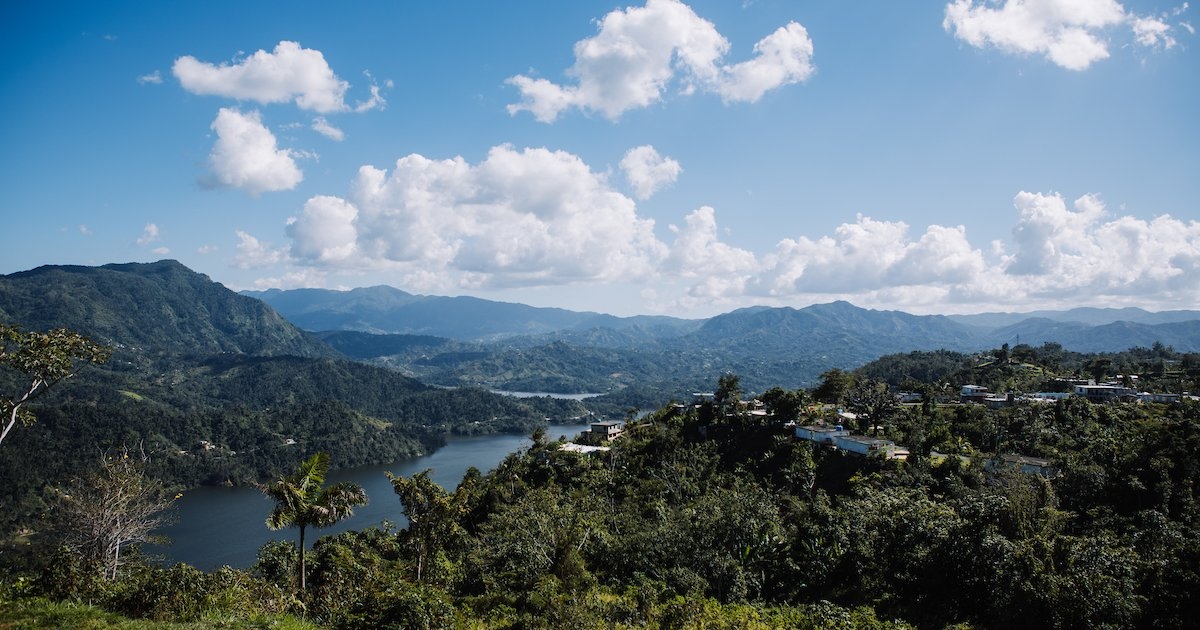
For those willing to venture just outside the city limits, Dorado Beach, a Ritz-Carlton Reserve, offers “barefoot luxury” that doubles as a nature preserve. The property restricts motorized water sports, opting instead for paddleboards and kayaks to protect local coral reef health.
2. Low-Impact Transportation
Navigating a historic city like San Juan sustainably is easier in 2026 thanks to expanded green infrastructure and a cultural shift away from solo car rentals.
The Old San Juan Trolley & Biking
Old San Juan is best explored on foot, but the city’s free electric trolley system has been expanded for 2026, offering a zero-emission way to hop between the forts and the ports.
- Cycling Lanes: New protected bike lanes now connect the districts of Condado, Santurce, and Miramar. Using bike-share apps like Bici-SJ allows you to travel the coast without contributing to the city’s traffic congestion.
The Tren Urbano and Public Transit
While still primarily used by locals, the Tren Urbano (electric train) remains the cleanest way to reach the southern metropolitan areas. In 2026, the integration of contactless “Green Passes” allows tourists to use buses and the train seamlessly with a single digital wallet.
3. Conscious Dining: The Farm-to-Table Revolution
The “Boricua” food scene in 2026 is defined by food sovereignty. Following the lessons of Hurricane Maria, San Juan has embraced hyper-local sourcing to reduce the carbon footprint of imported goods.
Farm-to-Table Pioneers
Verde Mesa in Old San Juan continues to lead the movement, with a menu that changes daily based on what micro-farmers have harvested that morning.
- The 2026 Update: Many restaurants now feature “Carbon-Neutral Menus,” where the environmental cost of each dish is calculated, and a small portion of the bill is automatically diverted to local reforestation projects.
Supporting Local Markets
To eat like a local and support the community directly, visit the Santurce Farmers Market (Plaza del Mercado). In 2026, it is a plastic-free zone. Visitors are encouraged to bring their own bags or purchase hand-woven baskets made from local palms.
4. Responsible Exploration: Protecting the Blue and Green
In 2026, “Leave No Trace” is not just a suggestion; it is a legal and cultural expectation in Puerto Rico’s natural spaces.
The Single-Use Plastic Ban
As of 2026, Puerto Rico’s Act No. 51-2022 is in full effect across all commercial establishments. You will not find plastic straws, stirrers, or expanded polystyrene (foam) containers in San Juan.
- Tourist Tip: Always carry a reusable water bottle. San Juan has installed “Aqua-Hubs”—filtered water stations—throughout the tourist zones to discourage the purchase of bottled water.
Reef-Safe Sunscreen
The coral reefs surrounding the island are under protection. In 2026, it is standard practice to use only mineral-based, reef-safe sunscreens (Zinc Oxide or Titanium Dioxide). Chemical sunscreens containing oxybenzone are highly discouraged and, in some protected marine reserves, strictly prohibited.
5. Volunteering and Community Connection
Sustainable travel in 2026 is moving toward “Impact Tourism,” where travelers spend a portion of their trip contributing to the island’s future.
Para La Naturaleza
This non-profit is the primary guardian of the island’s ecosystems. In 2026, they offer “Citizen Science” tours where you can help track sea turtle nesting sites in Ocean Park or participate in mangrove restoration in the Piñones area.
Supporting Loíza’s Afro-Boricua Heritage
True sustainability includes cultural preservation. Visiting Puerto Rico the nearby town of Loíza for a Bomba workshop with community-led organizations like COPI ensures that your tourism dollars support the preservation of Afro-Puerto Rican history and arts.
Conclusion
Traveling sustainably in San Juan in 2026 is about more than just avoiding plastic; it’s about participating in the island’s rebirth. By choosing eco-certified hotels, dining at farm-to-table restaurants, and respecting the strict environmental regulations, you ensure that the “Island of Enchantment” remains vibrant for generations to come. Your footprint in San Juan should be light, but your impact on the local community should be profound.
About the Author


