
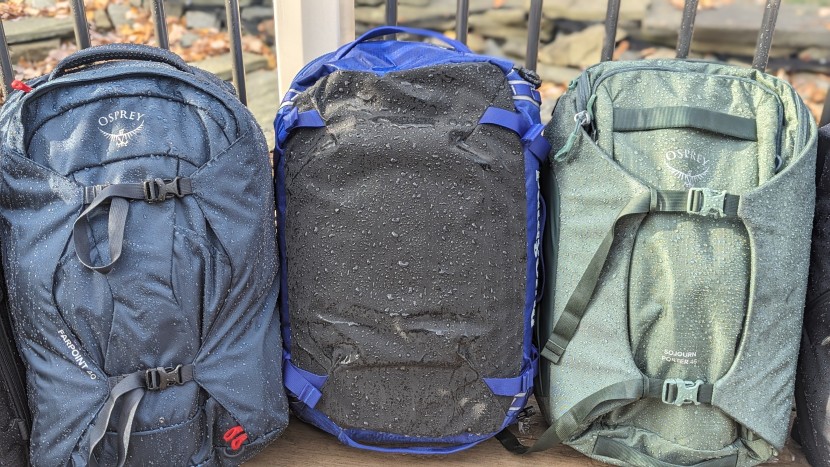
How to Choose the Perfect Travel Backpack for Any Adventure. Traveling is one of life’s greatest joys, and nothing can make or break your experience faster than your choice of travel backpack.
Whether you’re trekking through the mountains, exploring urban streets, or hopping between countries on a budget, your backpack is your mobile home, your storage solution, and your personal comfort zone. Selecting the right one is more than just picking a bag that looks cool—it’s about matching your needs with design, functionality, and durability.
In 2026, travel backpacks have evolved significantly, offering innovative features like anti-theft designs, modular compartments, tech integration for digital nomads, lightweight sustainable materials, and ergonomic support systems. This guide will walk you through every consideration you should make before investing in your next travel backpack.
By the end, you’ll be equipped to choose a backpack that fits your lifestyle, your travel style, and your body.
1. Identify Your Travel Style and Needs
Before you even glance at backpack specs, the first step is understanding how you travel. Different adventures require different backpacks, and knowing your travel style ensures you invest in a bag that truly works for you.
Adventure Travel
If you’re hiking, camping, or exploring remote areas, you’ll need:
- A backpack with a durable, water-resistant material
- Multiple compartments for gear, water bottles, and camping essentials
- A frame support system for heavy loads
- Attachment points for trekking poles, sleeping bags, or climbing gear
These backpacks often range from 40L to 70L depending on the duration of your adventure.
Urban Travel
For city explorers, the backpack should focus on convenience and security:
- Compact size (20–35L) for easy navigation on public transport
- Laptop and tablet compartments for work or leisure
- Anti-theft features like lockable zippers and RFID-protected pockets
Urban travelers prioritize accessibility and style alongside functionality.
Digital Nomads and Business Travelers
For professionals who travel frequently for work:
- Tech-friendly compartments for laptops, chargers, and cables
- Comfortable shoulder straps for long commutes
- Expandable designs for varying luggage needs
Backpacks in this category are often hybrid designs that blend business aesthetics with travel practicality.

2. Determine the Right Size and Capacity
Backpack capacity is measured in liters, and choosing the right size is crucial. Too small, and you’ll struggle to fit essentials; too large, and you’ll carry unnecessary weight.
- 20–30L: Ideal for day trips, minimal packing, or urban travel
- 30–50L: Perfect for 1–2 week trips, backpackers, or multi-city adventures
- 50–70L+: Suitable for long-term travel, hiking, or carrying camping gear
In 2026, many backpacks offer expandable compartments, allowing a 30L bag to temporarily expand to 40L when needed. This flexibility is useful for souvenirs, groceries, or extra layers without investing in a completely larger pack.
3. Consider Weight and Material
The material of a backpack impacts both durability and comfort. Advanced materials in 2026 include:
- Ripstop nylon: Lightweight, tear-resistant, and water-resistant
- Cordura fabric: Highly durable, abrasion-resistant, and ideal for rugged use
- Recycled polyester: Sustainable option that balances durability with eco-consciousness
- Waterproof coatings: Essential for rainy or humid climates
Equally important is the weight of the empty backpack. For adventure travel, aim for a pack that weighs no more than 2–3 pounds empty for 40L–50L capacity. Every pound saved counts when you’re trekking or walking long distances.
4. Pay Attention to Comfort and Ergonomics
Even the best backpack can ruin your adventure if it’s uncomfortable. Ergonomics are critical, especially for longer journeys.
Shoulder Straps and Harness
- Wide, padded shoulder straps reduce pressure points
- Adjustable harnesses allow you to customize fit according to torso length
Back Panel and Ventilation
- Mesh panels or ventilated designs reduce sweating
- Contoured padding supports natural spine alignment
Hip Belt and Load Distribution
- A hip belt is vital for heavy loads; it transfers weight from shoulders to hips
- Adjustable load lifters improve balance and posture
For 2026, backpacks often feature dynamic support systems that automatically adjust to movement, offering more comfort during long hikes or urban treks.
5. Prioritize Organization and Accessibility
A well-organized backpack saves time, keeps essentials safe, and reduces stress.
- Main compartment: Large enough for clothes and bulk items
- Secondary compartments: Ideal for toiletries, gadgets, and snacks
- Front or quick-access pocket: For passport, wallet, or tickets
- Side pockets: Water bottles or umbrellas
- Hidden or secure pockets: Anti-theft areas for valuables
Modular designs are becoming more popular, with removable compartments that convert your backpack for short trips or business purposes.
6. Look for Security Features
Security is increasingly important in 2026, especially for urban and international travel.
- Lockable zippers: Prevent opportunistic theft
- RFID-protected pockets: Protect passports and credit cards from digital theft
- Cut-resistant straps: Reduce risk from bag slashing
- Hidden compartments: Store valuables discreetly
Backpacks with security in mind help you travel worry-free, especially in crowded public transport hubs or tourist areas.
7. Check for Weather Resistance and Protection
Weatherproofing is essential to protect your gear. Consider:
- Water-resistant fabrics to repel rain
- Rain covers for heavy storms
- Waterproof compartments for electronics
In 2026, many backpacks include tech sleeves with IPX-rated protection for laptops and tablets, which is vital for digital nomads who rely on their gear for work.
8. Examine Durability and Warranty
A backpack is an investment; you want it to last years. Key durability features include:
- Reinforced stitching at stress points
- Heavy-duty zippers with smooth gliding
- Abrasion-resistant bottom panels
Many reputable brands offer multi-year warranties covering defects in material or workmanship. Choosing a bag with a strong warranty provides peace of mind during frequent or rugged travel.
9. Choose the Right Backpack Shape
Backpack shape affects packing efficiency and mobility:
- Top-loading backpacks: Classic design, ideal for long-term hiking
- Panel-loading (clamshell) backpacks: Laptop-style access for easy organization
- Hybrid backpacks: Combine top-loading for bulk storage with panel access for tech and clothing
In 2026, hybrid designs dominate for travelers who want versatility, blending traditional backpack comfort with modern organizational convenience.
10. Test Fit and Adjustability
Nothing replaces physically trying a backpack. If possible:
- Load it with weight similar to what you plan to carry
- Adjust straps, harnesses, and hip belts
- Walk, climb stairs, or simulate hiking conditions
A bag that looks perfect on a rack may feel uncomfortable after a few hours of use. Custom fit is key to avoiding pain and fatigue.
11. Consider Style and Aesthetics
While functionality is primary, appearance matters, especially in urban or professional contexts. Modern backpacks balance performance with aesthetics:
- Minimalist designs for city travel or business
- Rugged, outdoor-oriented designs for adventure
- Color options that suit personal taste while remaining practical (dark colors hide dirt, bright colors increase visibility)
Style is no longer just fashion—it can be practical. In some destinations, understated backpacks reduce the risk of attracting attention from thieves.
12. Evaluate Expandability and Versatility
Travel in 2026 often requires flexibility. Many backpacks include:
- Expandable compartments to accommodate souvenirs or extra gear
- Detachable daypacks for day trips
- Convertible straps that let you carry the bag as a backpack, shoulder bag, or briefcase
A versatile backpack eliminates the need for multiple bags, saving money and storage space.
13. Think About Weight Distribution and Packing Techniques
Even the best backpack can feel heavy if packed poorly. Keep these tips in mind:
- Pack heavy items close to your back and near your torso
- Distribute weight evenly between left and right sides
- Use compression straps to stabilize items
- Place frequently used items in top or outer compartments
Many 2026 backpacks include integrated compression systems and removable frames to help maintain balance and reduce fatigue.
14. Consider Specialized Features for Specific Travel Needs
Some features are especially useful depending on your travel style:
- Adventure hiking: Hydration bladder compatibility, trekking pole loops
- Tech-heavy travel: Padded laptop sleeve, cable management
- International flights: TSA-approved lock systems, airline carry-on compliance
Think ahead about your destination and activities to ensure your backpack fits your lifestyle.
15. Budget vs. Investment
Backpacks range from budget-friendly options to high-end, premium models. Consider:
- Budget-friendly: $50–$100; may have basic features but shorter lifespan
- Mid-range: $100–$250; balances durability, comfort, and features
- Premium: $250–$500+; cutting-edge materials, warranty, and ergonomic design
Investing in a quality backpack may save money long-term by reducing wear-and-tear replacements and enhancing comfort during long trips.
16. Read Reviews and Seek Expert Recommendations
Reviews provide real-world insights into comfort, durability, and usability. Look for:
- Reviews that discuss long-term use
- Comments on fit and ergonomics
- Feedback on durability and material quality
Additionally, travel bloggers and outdoor gear experts often provide hands-on reviews highlighting 2026 innovations like modular compartments, tech integration, and ergonomic advancements.
17. Consider Sustainability and Eco-Friendliness
Sustainability is a growing trend. In 2026, many backpacks are made from recycled or renewable materials without sacrificing durability. Features to look for include:
- Recycled polyester or nylon
- Eco-friendly dyes and coatings
- Fair-trade or environmentally responsible production practices
An eco-conscious backpack aligns with modern travel values while supporting environmental responsibility.
18. Test Carry-On Compliance
If you frequently fly, ensure your backpack meets carry-on regulations:
- Most airlines allow 22 x 14 x 9 inches (56 x 36 x 23 cm) as standard
- Check weight limits (often 15–22 pounds for carry-ons)
- Expandable designs can be handy for flexible storage without exceeding limits
A compliant backpack saves you time, money, and stress during air travel.
19. Plan for Maintenance and Care
Proper care extends the life of your backpack:
- Clean according to manufacturer instructions
- Treat waterproof coatings if needed
- Repair minor tears or zipper issues promptly
Some 2026 backpacks offer replaceable components like straps, buckles, and frames—extending the bag’s usable life considerably.
20. Make the Final Decision with Confidence
After considering style, capacity, ergonomics, durability, and your travel needs, make a confident choice. The perfect travel backpack is one that fits comfortably, accommodates your essentials, and aligns with your adventures.
By following these tips:
- Assess your travel style
- Determine size and weight needs
- Prioritize comfort and ergonomics
- Optimize organization, security, and durability
- Factor in budget, style, and sustainability
…you’ll be ready for any journey with a backpack that works for you, not against you.
Conclusion: Your Backpack, Your Adventure
In 2026, the travel backpack market is more sophisticated than ever. From anti-theft compartments and tech-ready designs to eco-conscious materials and ergonomic innovations, the right backpack enhances every trip. Choosing the perfect travel backpack isn’t just about packing—it’s about ensuring comfort, efficiency, and security on all your adventures. By carefully evaluating your needs, trying backpacks in real-world conditions, and investing in quality, you’ll ensure that your backpack serves as a trusted companion on every journey, big or small.
With the right choice, you can focus less on your gear and more on creating memories, exploring new places, and embracing the adventure ahead.
About the Author


