
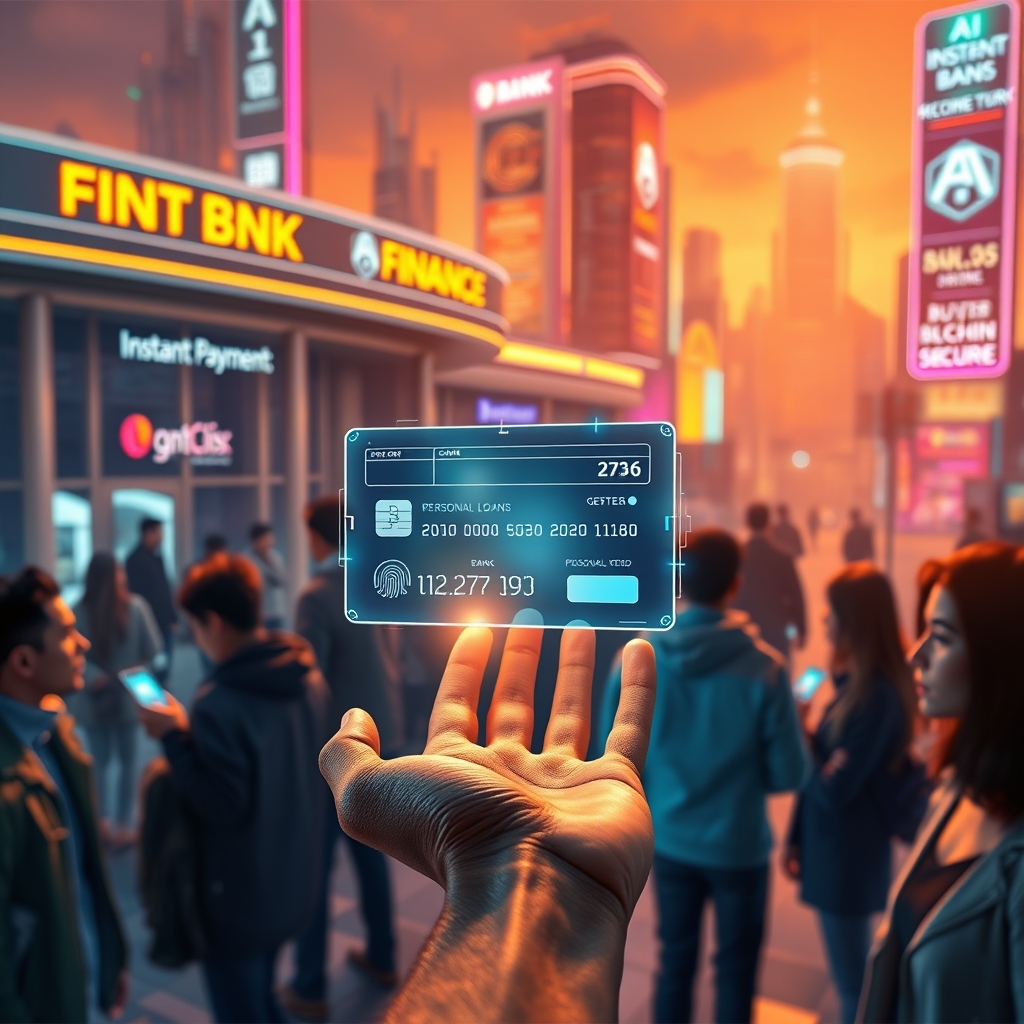
By 2026, the financial landscape will undergo transformative shifts, reshaping how consumers manage credit card payments, personal loans, and cryptocurrency. Rapid advancements in technology, evolving consumer behaviors, and regulatory changes will redefine these sectors, making them more accessible, secure, and integrated into daily life. Whether you’re a borrower, investor, or tech enthusiast, understanding these trends will help you navigate the future of finance with confidence. This article explores the key developments set to dominate these areas in 2026 and beyond.
How Will Credit Card Payments Evolve by 2026?
Credit card payments in 2026 will prioritize speed, security, and seamless integration with digital ecosystems. Contactless transactions will dominate, with over 80% of in-store payments expected to be tap-and-go, reducing reliance on physical cards. Biometric authentication, such as fingerprint and facial recognition, will replace traditional PINs, enhancing fraud protection. Furthermore, real-time payment networks will become the norm, allowing instant settlements and reducing processing delays.
In addition, credit card issuers will leverage artificial intelligence to offer hyper-personalized rewards. Dynamic cashback programs will adjust based on spending habits, ensuring users maximize benefits. Subscription-based credit cards will also emerge, providing curated perks for a monthly fee. However, with these innovations comes the challenge of data privacy, as consumers demand transparency in how their information is used.
What Role Will AI Play in Credit Card Fraud Detection?
Artificial intelligence will revolutionize fraud detection by analyzing transaction patterns in real time. Machine learning algorithms will identify anomalies, such as unusual spending locations or amounts, and flag them instantly. By 2026, AI-driven systems are projected to reduce fraud losses by up to 40%, saving financial institutions billions annually. Consumers will benefit from proactive alerts, minimizing unauthorized charges before they occur.
Besides fraud prevention, AI will enhance customer service through chatbots and virtual assistants. These tools will handle disputes, provide spending insights, and even suggest budgeting strategies. As AI becomes more sophisticated, it will create a frictionless experience, blending security with convenience.
Personal Loans 2026: What Changes Can Borrowers Expect?
Personal loans in 2026 will become more flexible, inclusive, and technology-driven. Traditional credit scores will no longer be the sole determinant of eligibility. Lenders will adopt alternative data sources, such as rental payments, utility bills, and even social media activity, to assess creditworthiness. This shift will open doors for millions of underbanked individuals, expanding access to credit.
Moreover, loan terms will adapt to individual needs. Borrowers will enjoy customizable repayment plans, including income-based schedules that adjust with financial fluctuations. Peer-to-peer lending platforms will also gain traction, connecting borrowers directly with investors and reducing reliance on traditional banks. Interest rates will remain competitive, with lenders offering dynamic pricing based on real-time risk assessments.
Will Buy Now, Pay Later (BNPL) Replace Traditional Personal Loans?
Buy Now, Pay Later services will continue to disrupt the personal loan market, but they won’t replace it entirely. By 2026, BNPL is expected to account for nearly 25% of all e-commerce transactions, offering short-term, interest-free financing. However, traditional personal loans will retain their appeal for larger, long-term expenses like home renovations or debt consolidation.
Furthermore, regulatory scrutiny will increase, ensuring BNPL providers adhere to stricter lending standards. This will protect consumers from overextending themselves, balancing convenience with financial responsibility. As a result, both BNPL and personal loans will coexist, catering to different borrowing needs.
Cryptocurrency 2026: Is Mainstream Adoption Finally Here?
Cryptocurrency will achieve mainstream adoption by 2026, driven by institutional investment, regulatory clarity, and technological advancements. Central bank digital currencies (CBDCs) will gain momentum, with over 50 countries expected to launch or pilot their own digital currencies. These CBDCs will coexist with decentralized cryptocurrencies like Bitcoin and Ethereum, offering stability and government backing.
In addition, blockchain technology will revolutionize cross-border payments, reducing transaction costs by up to 70%. Remittance services will become faster and cheaper, benefiting millions of global workers. Cryptocurrency will also integrate into everyday spending, with major retailers accepting digital assets as payment. However, volatility will remain a challenge, prompting the rise of stablecoins as a reliable alternative.
How Will Regulation Shape the Future of Cryptocurrency?
Regulation will play a pivotal role in shaping cryptocurrency’s future, balancing innovation with consumer protection. By 2026, governments will implement comprehensive frameworks to combat fraud, money laundering, and tax evasion. These regulations will provide clarity for businesses and investors, fostering trust in the market. However, overly restrictive policies could stifle innovation, pushing crypto activities into unregulated spaces.
Besides regulatory compliance, environmental concerns will drive the adoption of sustainable blockchain solutions. Proof-of-stake (PoS) mechanisms will replace energy-intensive proof-of-work (PoW) systems, reducing the carbon footprint of cryptocurrency mining. This shift will align digital assets with global sustainability goals, making them more appealing to eco-conscious investors.
What Should Consumers Do to Prepare for These Changes?
To thrive in the evolving financial landscape, consumers must stay informed and adaptable. Start by embracing digital payment tools, such as mobile wallets and contactless cards, to streamline transactions. Monitor your credit score regularly and explore alternative lending options if traditional loans are inaccessible. Diversify your financial portfolio by considering cryptocurrency, but only invest what you can afford to lose.
Furthermore, prioritize cybersecurity by using strong passwords, enabling two-factor authentication, and staying vigilant against phishing scams. Educate yourself on emerging trends, such as AI-driven financial advice and decentralized finance (DeFi), to make informed decisions. By taking proactive steps, you can leverage these innovations to achieve financial freedom in 2026 and beyond.
FAQ: Your Top Questions Answered
Will Credit Card Payments Become Obsolete by 2026?
No, credit card payments will not become obsolete, but they will evolve significantly. Physical cards may decline in usage as digital wallets and biometric authentication take center stage. However, credit cards will remain a cornerstone of consumer finance, offering rewards, fraud protection, and credit-building opportunities. The shift will focus on enhancing convenience and security rather than eliminating the concept entirely.
Are Personal Loans Safer Than Credit Cards in 2026?
Personal loans and credit cards serve different purposes, and their safety depends on how they’re used. Personal loans offer fixed interest rates and structured repayment plans, making them ideal for large, one-time expenses. Credit cards provide revolving credit and rewards but can lead to debt if mismanaged. By 2026, both options will incorporate advanced fraud detection and flexible terms, making them safer than ever—provided consumers use them responsibly.
Can Cryptocurrency Replace Traditional Banking by 2026?
Cryptocurrency will complement rather than replace traditional banking by 2026. While digital assets will gain widespread acceptance, banks will adapt by integrating blockchain technology and offering hybrid services. Cryptocurrency will excel in areas like cross-border payments and decentralized finance, but traditional banks will retain their role in lending, savings, and regulatory compliance. The future lies in collaboration, not replacement.
As 2026 approaches, the convergence of credit card payments, personal loans, and cryptocurrency will create a dynamic financial ecosystem. Staying ahead of these trends will empower you to make smarter financial decisions, ensuring long-term stability and growth. The future of finance is here—are you ready to embrace it?
About the Author


