
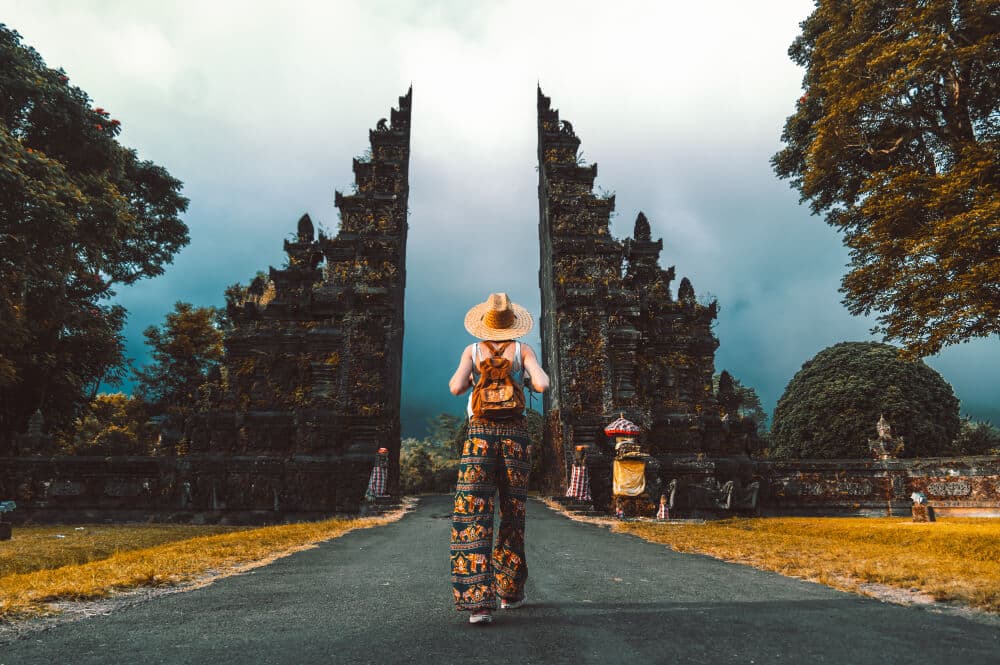
Best Time to Visit Bali. Bali, the “Island of the Gods,” has long been a favorite destination for travelers seeking a tropical paradise filled with culture, adventure, and breathtaking landscapes.
From its lush rice terraces and volcanic mountains to pristine beaches and vibrant local markets, Bali offers a diverse experience for every type of traveler. However, planning the perfect trip requires understanding Bali’s climate, festivals, and travel patterns to make the most of your stay.
In 2026, Bali continues to attract millions of visitors from around the world, yet there are ways to experience the island more authentically and comfortably by timing your visit wisely.
This comprehensive guide will explore the best time to visit Bali, taking into account weather patterns, local festivals, crowd levels, and insider travel tips.
1. Understanding Bali’s Climate
Bali has a tropical climate, meaning it is warm year-round with humidity levels often between 70% and 90%. The island experiences two primary seasons: the dry season and the wet season. Understanding these seasons is crucial when planning your trip.
Dry Season (April to October)
The dry season is widely considered the best time to visit Bali for most travelers. During this period:
- Temperatures typically range between 27°C and 32°C (81°F to 90°F)
- Humidity is lower than during the wet season
- Rainfall is minimal, usually in short, light bursts
This season is ideal for beach activities, hiking, surfing, and outdoor sightseeing. The clear skies provide perfect conditions for exploring rice terraces, visiting temples, or watching a sunrise at Mount Batur.
Wet Season (November to March)
The wet season is characterized by heavy rainfall, high humidity, and occasional storms, though Bali rarely experiences prolonged downpours:
- Average temperatures range from 26°C to 31°C (79°F to 88°F)
- Rain often comes in short, intense bursts, typically in the late afternoon or evening
- Humidity is high, which can make daytime activities feel more exhausting
While some travelers avoid Bali during the wet season, this period has its advantages:
- Lush landscapes: Rice terraces and waterfalls are at their greenest
- Fewer crowds: Popular tourist areas are quieter
- Lower prices: Accommodation and flights tend to be more affordable
In 2026, climate patterns remain fairly consistent, though some regions may experience slightly more unpredictable rainfall due to global climate shifts.

2. Monthly Weather Guide for Bali
If you want to plan your trip around the weather, here’s a month-by-month breakdown:
- January: Wet season; frequent rain; great for fewer crowds
- February: Wet season continues; some flooding possible in certain areas
- March: Rain begins to decrease; emerging dry spells
- April: Start of dry season; sunny and warm; excellent for beaches
- May: Dry season in full swing; moderate tourist numbers; ideal for outdoor activities
- June: Dry and sunny; busy with tourists; perfect for diving and snorkeling
- July: Peak tourist season; dry weather; vibrant beach life
- August: Peak season continues; hot and sunny; best time for hiking and cultural tours
- September: Dry season; slightly cooler; less crowded than July–August
- October: End of dry season; pleasant weather; some rainfall possible
- November: Start of wet season; fewer tourists; lush scenery
- December: Wet season; holiday crowds; heavy rainfall likely
Knowing the monthly weather trends allows you to choose the ideal balance between sun, affordability, and crowd levels.
3. Bali’s Top Festivals and Cultural Events
Timing your visit around local festivals can enrich your experience and give you a deeper understanding of Balinese culture. Bali is renowned for its Hindu traditions, with festivals celebrated throughout the year.
Galungan and Kuningan
- Occurs every 210 days according to the Balinese Pawukon calendar
- Celebrates the victory of dharma (good) over adharma (evil)
- Streets and temples are decorated with penjor (bamboo poles adorned with offerings)
- Traditional dances and ceremonies take place, offering unique photo opportunities
Best time: During Galungan, tourists can witness authentic rituals and local traditions.
Nyepi (Balinese New Year)
- Usually in March, Nyepi is a day of silence, fasting, and meditation
- All flights, vehicles, and businesses shut down for 24 hours
- Observing Nyepi offers a rare chance to experience spiritual Bali in peace
Insider tip: Prepare ahead—airports and hotels remain closed, and you cannot leave your hotel property.
Ubud Writers & Readers Festival
- Held in October
- Brings together international writers, artists, and thinkers
- Offers workshops, readings, and performances
Ideal for: Cultural enthusiasts and creative travelers looking for a mix of Bali’s natural beauty and intellectual stimulation.
Bali Arts Festival
- Runs from June to July
- Showcases traditional dance, music, and crafts
- Held mainly in Denpasar, the island’s cultural hub
Insider tip: This festival is perfect for travelers interested in arts, photography, and cultural immersion.
Other Regional Festivals
- Sanur Village Festival (August): Combines local traditions with modern music, sports, and food
- Nusa Dua Fiesta (October): Beach events, competitions, and cultural performances
By aligning your visit with festivals, you can enjoy Bali’s vibrant culture and avoid missing once-in-a-year experiences.
4. High Season vs. Low Season Travel Tips
Bali’s high season is generally July, August, and December, coinciding with summer holidays and Christmas/New Year. During this time:
- Resorts and flights are more expensive
- Tourist areas like Seminyak, Kuta, and Ubud are crowded
- Sunset beaches and popular attractions require early arrival to avoid long queues
Insider tip: Book accommodation and tours 3–6 months in advance to secure the best rates during high season.
Low season, generally from January to March and November, offers:
- Lower prices on hotels and tours
- Fewer crowds, making temples and beaches more enjoyable
- Lush green scenery due to occasional rain
Insider tip: Pack a light rain jacket and plan some indoor or short excursions to adapt to occasional wet weather.
5. Surfing and Diving Seasons
For adventure travelers, Bali is a world-renowned destination for surfing and diving.
Surfing
- Dry season (April–October): West coast beaches like Kuta, Seminyak, and Canggu have ideal waves for beginners and intermediates
- Wet season (November–March): East coast beaches like Nusa Dua and Sanur offer better conditions for advanced surfers
Insider tip: Consider surf schools in Canggu during dry season—they provide boards and training for all skill levels.
Diving and Snorkeling
- April–October: Best underwater visibility; calm seas ideal for scuba diving
- Popular spots: Nusa Penida, Tulamben (USAT Liberty shipwreck), Amed, Menjangan Island
- Wet season: Strong currents may limit access to some dive sites, but coral reefs remain vibrant
By timing your trip around water sports conditions, you can maximize both safety and enjoyment.
6. Hidden Gems and Less Crowded Destinations
While Bali’s famous beaches and temples attract millions, there are hidden gems worth visiting for a more tranquil experience:
- Amed and Lovina: Quiet coastal towns perfect for diving, snorkeling, and relaxation
- Sidemen Valley: Stunning rice terraces, traditional villages, and hiking opportunities
- Munduk: Waterfalls, coffee plantations, and scenic trekking trails
- Nusa Islands (Nusa Lembongan, Nusa Penida, Nusa Ceningan): Dramatic cliffs, secret beaches, and excellent snorkeling
Visiting these lesser-known areas during peak season allows you to enjoy Bali’s beauty without the crowds.
7. Insider Travel Tips for 2026
To make the most of your 2026 Bali trip, consider these modern travel strategies:
Flights and Airport Tips
- Ngurah Rai International Airport (Denpasar) is Bali’s main gateway
- Flights are busiest in July, August, and December; book early for best deals
- Ride-sharing apps like Gojek and Grab are convenient for short-distance transport
- For longer trips, rent a scooter or car; ensure you have an international driving permit
Accommodation Choices
- Bali offers everything from luxury resorts to boutique homestays and eco-lodges
- Consider staying in multiple regions (Ubud, Seminyak, Uluwatu) to experience different landscapes and cultures
- In 2026, eco-friendly resorts with sustainable practices are increasingly popular among travelers
Health and Safety
- Bali is generally safe, but travelers should practice common precautions
- Stay hydrated and use sunscreen; tropical sun is intense year-round
- Tap water is not recommended; drink bottled or filtered water
- Vaccinations: Hepatitis A, Typhoid, and routine vaccines are advised
Local Etiquette
- Dress modestly when visiting temples
- Always use your right hand for giving or receiving items
- Respect offerings and ceremonial areas
Following local customs enhances your cultural experience and shows respect to the community.
8. Budgeting Your Trip
Bali is affordable but varies depending on travel style:
- Budget travel: $25–$50/day for accommodation, meals, and local transport
- Mid-range: $50–$150/day for boutique hotels, tours, and dining
- Luxury travel: $200+/day for resorts, private tours, and high-end experiences
Insider tip: Use local warungs (traditional restaurants) for authentic meals at a fraction of tourist prices. In 2026, mobile payment apps and e-wallets are widely accepted, making transactions seamless.
9. Best Time for Photography and Instagram-Worthy Shots
If photography is a priority, timing matters:
- Golden hour: Sunrise and sunset provide warm, soft lighting for beaches and rice terraces
- Wet season: Clouds create dramatic landscapes; waterfalls are more spectacular
- Dry season: Clear skies for drone photography and vibrant landscapes
Temples like Tanah Lot and Uluwatu are stunning year-round but are best visited early in the morning to avoid crowds.
10. Combining Weather, Festivals, and Activities
The perfect time to visit Bali depends on what you value most:
- Best for dry weather and beach activities: May–September
- Best for cultural festivals: March (Nyepi), June–July (Arts Festival), 210-day Pawukon cycle for Galungan
- Best for budget travel: Low season (January–March, November)
- Best for surfing and diving: April–October (west coast surfing), November–March (east coast surfing)
Many travelers choose April–June or September–October as the sweet spot for good weather, manageable crowds, and cultural immersion.
11. Sustainable and Responsible Travel in 2026
As Bali continues to attract visitors, sustainability is increasingly important:
- Avoid single-use plastics; carry reusable water bottles
- Support eco-conscious accommodations and tour operators
- Respect marine life while snorkeling and diving
- Participate in community-based tourism to benefit local villages
Sustainable travel ensures Bali remains beautiful for future generations and enhances your experience as a responsible traveler.
12. Final Insider Tips for Planning Your Bali Trip
- Book early during high season for accommodations and tours
- Use local guides for cultural and adventure tours
- Pack for variable weather: light clothing, rain jacket, and sun protection
- Plan your temple visits early in the morning for tranquility
- Consider travel insurance for adventurous activities like surfing and hiking
- Stay flexible—Bali’s charm lies in spontaneous experiences, like hidden waterfalls or street festivals
Combining preparation with flexibility allows you to experience Bali authentically while avoiding common tourist pitfalls.
Conclusion: Timing Is Everything
Bali is an island that truly has something for everyone: sun, surf, spirituality, culture, and adventure. The best time to visit Bali depends on your priorities, whether it’s sunny beaches, lush landscapes, vibrant festivals, or peaceful retreats. By understanding the weather patterns, festival calendar, crowd trends, and travel tips for 2026, you can plan a trip that maximizes your enjoyment and minimizes stress.
Whether you’re seeking a cultural immersion during Nyepi, surfing waves in Kuta, or photographing hidden waterfalls in Munduk, Bali offers experiences that cater to every type of traveler. By choosing the right time to visit, you ensure that your adventure on the Island of the Gods is memorable, seamless, and filled with the magic that has captivated travelers for decades.
About the Author


