
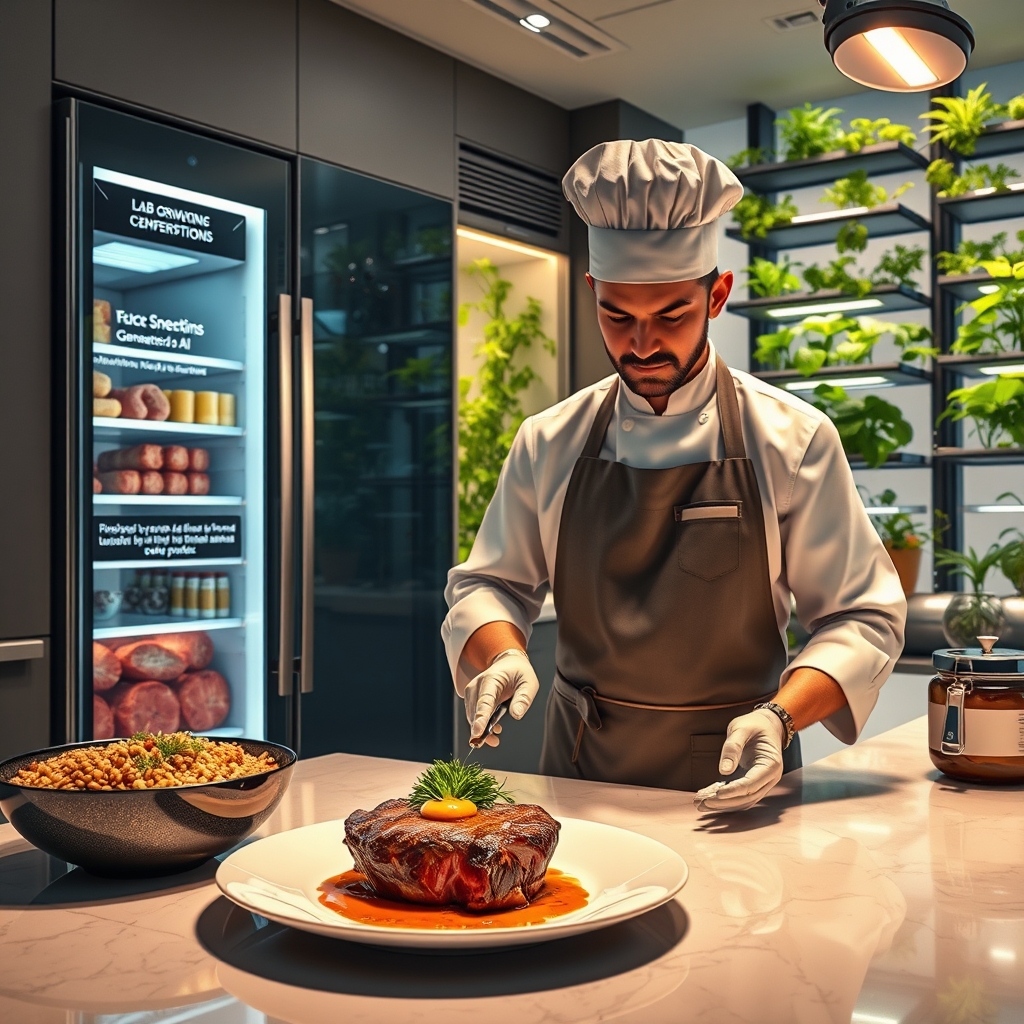
The Top Trends Food News Predicts for the Future of Dining, Imagine walking into a restaurant in 2026 and being greeted by a menu that feels like it’s straight out of a sci-fi novel. The world of food is evolving at a breakneck pace, and trends food news 2026 is buzzing with innovations that promise to redefine how we eat, cook, and think about nutrition.
From lab-grown delicacies to AI-powered kitchens, the next two years will bring changes that are as exciting as they are transformative. Whether you’re a foodie, a chef, or just someone who loves a good meal, understanding these trends will help you stay ahead of the curve.
Why Are Food Trends Shifting So Rapidly in 2026?
The food industry has always been dynamic, but the pace of change in 2026 is unprecedented. Several factors are driving this shift, including technological advancements, climate concerns, and evolving consumer preferences. For starters, the global population is expected to reach 8.5 billion by 2030, putting pressure on food systems to become more sustainable and efficient. In response, innovators are turning to alternative proteins, vertical farming, and waste-reducing technologies to meet demand without compromising the planet.
Furthermore, the COVID-19 pandemic accelerated digital adoption in the food sector, from ghost kitchens to meal-kit deliveries. In 2026, these trends are maturing, with AI and automation playing a bigger role in everything from recipe development to supply chain management. Consumers are also more health-conscious than ever, seeking foods that not only taste good but also support their well-being. This has led to a surge in functional foods—ingredients packed with vitamins, probiotics, and adaptogens designed to boost immunity, energy, and mental clarity.
What Are the Most Exciting Food Innovations Coming in 2026?
Will Lab-Grown Meat Become Mainstream?
One of the most talked-about trends food news 2026 is the rise of lab-grown meat. By 2026, the cost of producing cultivated meat is projected to drop by 50%, making it a viable option for everyday consumers. Companies are already perfecting the taste and texture of lab-grown beef, chicken, and even seafood, with some predicting that it could account for 10% of the global meat market by 2030. Besides being more sustainable, lab-grown meat eliminates the ethical concerns associated with traditional livestock farming, making it a win-win for both the planet and animal welfare.
In addition, regulatory approvals are gaining momentum. Countries like Singapore and the United States have already greenlit lab-grown meat for commercial sale, and more nations are expected to follow suit in 2026. This means you might soon find these products in your local grocery store or favorite restaurant, offering a guilt-free way to enjoy your favorite dishes.
How Is AI Revolutionizing the Way We Cook?
Artificial intelligence is no longer just a tool for tech giants—it’s making its way into home kitchens and professional restaurants alike. In 2026, AI-powered appliances will become more accessible, helping home cooks create gourmet meals with minimal effort. Imagine a smart oven that adjusts cooking times and temperatures in real-time or a fridge that suggests recipes based on the ingredients you have on hand. These innovations are designed to save time, reduce food waste, and elevate the cooking experience.
Furthermore, AI is transforming the restaurant industry by optimizing menus, predicting customer preferences, and even automating food preparation. Some high-end eateries are already using robotic chefs to ensure consistency and precision, while AI-driven analytics help restaurants tailor their offerings to local tastes. As these technologies become more affordable, expect to see them in casual dining spots and fast-food chains as well.
What Role Will Sustainability Play in 2026’s Food Trends?
Are Upcycled Foods the Future of Eco-Friendly Eating?
Sustainability isn’t just a buzzword—it’s a necessity, and upcycled foods are leading the charge. These products are made from ingredients that would otherwise go to waste, such as spent grain from beer brewing or imperfect produce. By 2026, the upcycled food market is expected to grow by 30%, as consumers increasingly seek out brands that prioritize environmental responsibility. From snacks to condiments, upcycled foods are proving that sustainability can be delicious and affordable.
Besides reducing food waste, upcycled foods often come with added nutritional benefits. For example, spent grain is rich in fiber and protein, making it a great addition to baked goods and energy bars. As more companies embrace this trend, expect to see a wider variety of upcycled products hitting the shelves, giving you more ways to make eco-friendly choices without sacrificing flavor.
How Will Climate Change Reshape Our Diets?
Climate change is already affecting what we eat, and its impact will only grow in 2026. Rising temperatures and extreme weather events are disrupting traditional farming practices, leading to crop shortages and higher prices. In response, farmers are turning to drought-resistant crops like millet, sorghum, and quinoa, which require less water and can thrive in harsh conditions. These ancient grains are not only sustainable but also packed with nutrients, making them a smart choice for the future.
Moreover, alternative proteins like algae and insects are gaining traction as climate-resilient food sources. While the idea of eating bugs might seem unusual, insect-based foods are already popular in many parts of the world and are expected to become more mainstream in 2026. They’re high in protein, low in fat, and require far fewer resources to produce than traditional livestock. As climate pressures mount, these alternatives could become a staple in our diets.
FAQ: Your Burning Questions About Trends Food News 2026 Answered
What Are the Top 3 Food Trends to Watch in 2026?
The top three trends food news 2026 highlights are lab-grown meat, AI-powered cooking, and upcycled foods. Lab-grown meat is set to become more affordable and widely available, while AI is transforming how we prepare and enjoy meals. Upcycled foods, on the other hand, are leading the charge in sustainable eating, offering a way to reduce waste without compromising on taste or nutrition.
How Will Food Prices Change in 2026?
Food prices are expected to fluctuate in 2026 due to climate change, supply chain disruptions, and inflation. However, innovations like vertical farming and lab-grown meat could help stabilize costs by reducing reliance on traditional agriculture. While some specialty products may see price increases, everyday staples could become more affordable as technology drives efficiency.
Is Plant-Based Eating Still Growing in 2026?
Absolutely. Plant-based eating is no longer a niche trend—it’s a global movement. By 2026, the plant-based food market is projected to reach $162 billion, driven by consumer demand for healthier, more sustainable options. Innovations in plant-based meat, dairy, and seafood are making these products more realistic and accessible, ensuring that this trend continues to grow.
As we look ahead to 2026, one thing is clear: the future of food is bright, bold, and full of possibilities. Whether it’s lab-grown steaks, AI-generated recipes, or upcycled snacks, these trends food news 2026 is shaping will make our meals more exciting, sustainable, and delicious than ever before. The best part? You don’t have to wait to start exploring these innovations—many are already here, ready to transform the way you eat. So why not take the first bite and see where the future of food takes you?
About the Author


