
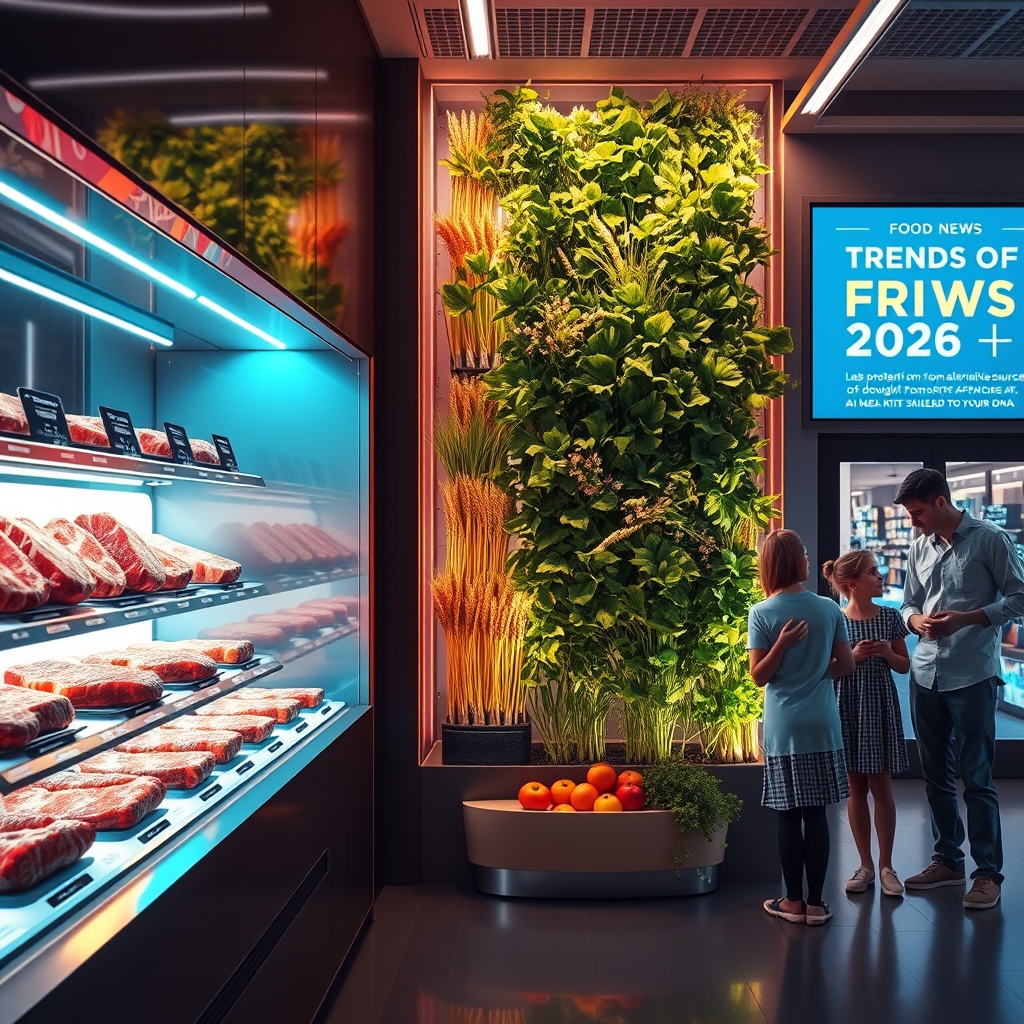
Top Trends Shaping Food News in 2026 and Beyond, Imagine walking into a grocery store in 2026 where lab-grown steaks sit next to shelves of climate-resilient crops, and AI-driven meal kits tailor recipes to your DNA. The world of food is evolving at an unprecedented pace, and trends food news 2026 is no longer just about what’s on your plate—it’s about how food is grown, distributed, and even conceptualized.
From sustainability breakthroughs to tech-driven dining experiences, the next two years promise to redefine our relationship with food. If you’re curious about what’s next, you’re in the right place.
Why Are Food Trends in 2026 Worth Watching?
The food industry is undergoing a seismic shift, driven by climate change, technological advancements, and shifting consumer values. By 2026, experts predict that 30% of all protein consumed globally will come from alternative sources, including plant-based and cultivated meat. This isn’t just a fad; it’s a response to the urgent need for sustainable food systems. Furthermore, the rise of precision fermentation is set to revolutionize how we produce dairy and eggs, reducing environmental impact by up to 90% compared to traditional methods.
In addition to sustainability, health and personalization are taking center stage. Consumers are no longer satisfied with one-size-fits-all nutrition. Instead, they’re demanding foods tailored to their genetic makeup, lifestyle, and even mood. This shift is fueling the growth of functional foods—ingredients designed to boost immunity, gut health, and cognitive function. With these changes, trends food news 2026 is shaping up to be as much about innovation as it is about flavor.
What Are the Most Exciting Food Innovations Coming in 2026?
Will Lab-Grown Meat Become Mainstream?
The race to make lab-grown meat affordable and accessible is heating up. By 2026, industry leaders project that cultivated meat could account for 10% of the global meat market, with prices dropping to just $2.50 per pound. This breakthrough is thanks to advancements in bioreactor technology and cell culture media, making it possible to produce meat without the environmental and ethical costs of traditional livestock farming. Besides, major fast-food chains are already testing lab-grown chicken nuggets, signaling a shift toward widespread adoption.
However, challenges remain. Regulatory hurdles and consumer skepticism are still barriers to mass acceptance. Yet, as more countries approve cultivated meat for sale, the stigma is slowly fading. For those eager to taste the future, 2026 might just be the year lab-grown meat moves from novelty to norm.
How Is AI Changing the Way We Eat?
Artificial intelligence is no longer confined to tech labs—it’s making its way into kitchens and grocery stores. AI-powered apps are now capable of creating personalized meal plans based on dietary restrictions, health goals, and even genetic data. For example, companies are using AI to analyze your microbiome and recommend foods that optimize gut health. Furthermore, smart kitchen appliances can now suggest recipes, adjust cooking times, and even order groceries automatically.
In restaurants, AI is enhancing the dining experience by predicting customer preferences and streamlining operations. Chefs are using AI to experiment with flavor combinations, reducing food waste by up to 40%. With these advancements, the line between technology and food is blurring, making trends food news 2026 a fascinating space to watch.
What Role Will Sustainability Play in 2026’s Food Landscape?
Are Climate-Resilient Crops the Answer to Food Security?
With global temperatures rising, farmers are turning to climate-resilient crops to ensure food security. By 2026, drought-resistant wheat and flood-tolerant rice varieties are expected to dominate agricultural landscapes. These crops are engineered to thrive in extreme conditions, reducing the risk of crop failures and food shortages. Besides, vertical farming is gaining traction, allowing cities to grow fresh produce year-round with 95% less water than traditional farming.
Consumers are also playing a role by demanding transparency in food sourcing. Blockchain technology is being used to track the journey of food from farm to table, ensuring ethical and sustainable practices. As a result, brands that prioritize sustainability are seeing a 25% increase in customer loyalty. This shift isn’t just good for the planet—it’s good for business too.
How Are Food Waste Solutions Evolving?
Food waste is one of the biggest challenges facing the industry, but 2026 is set to bring innovative solutions. Startups are developing apps that connect consumers with surplus food from restaurants and grocery stores, reducing waste by up to 50%. Additionally, upcycled food products—made from ingredients that would otherwise be discarded—are becoming mainstream. These products not only cut waste but also offer unique flavors and nutritional benefits.
Governments are also stepping in, with policies mandating food waste reduction targets. For instance, the European Union aims to halve food waste by 2030, and similar initiatives are gaining momentum worldwide. With these efforts, the future of food looks not only delicious but also responsible.
What Should Consumers Expect from Food Trends in 2026?
The next two years will bring a mix of excitement and adaptation for consumers. Expect to see more hybrid foods—think plant-based burgers with lab-grown fat or dairy-free cheeses made from precision fermentation. These innovations are designed to mimic the taste and texture of traditional foods while being more sustainable. Furthermore, the rise of ghost kitchens and virtual restaurants will make dining out more convenient and personalized than ever.
Health-conscious consumers will also benefit from advancements in functional foods. Ingredients like adaptogens, probiotics, and nootropics are being incorporated into everyday products, from snacks to beverages. These foods are designed to support mental clarity, stress relief, and overall well-being. As trends food news 2026 continues to unfold, the focus will remain on balancing innovation with accessibility, ensuring that the future of food is both cutting-edge and inclusive.
FAQs About Trends Food News 2026
What Are the Top 3 Food Trends to Watch in 2026?
The top three trends shaping trends food news 2026 are alternative proteins, AI-driven personalization, and sustainability innovations. Alternative proteins, including lab-grown meat and plant-based products, are set to dominate due to their environmental and ethical benefits. AI is revolutionizing how we eat by offering personalized meal plans and smart kitchen solutions. Meanwhile, sustainability efforts, such as climate-resilient crops and food waste reduction, are becoming non-negotiable for brands and consumers alike.
How Will Food Prices Be Affected by These Trends?
While some innovations, like lab-grown meat, are currently expensive, prices are expected to drop significantly by 2026. For example, cultivated meat could become 70% cheaper as production scales up. However, climate-resilient crops and sustainable farming practices may initially increase costs for certain products. Over time, though, these investments are likely to stabilize food prices by reducing the impact of climate-related disruptions.
Are These Trends Accessible to Everyone?
Accessibility remains a challenge, but efforts are underway to make these trends available to a broader audience. Governments and organizations are investing in education and infrastructure to ensure that innovations like vertical farming and alternative proteins reach underserved communities. Additionally, as demand grows, economies of scale will make these products more affordable. The goal is to create a food system that is not only innovative but also equitable.
The future of food is here, and it’s more dynamic than ever. Whether you’re a foodie, a health enthusiast, or simply someone who cares about the planet, trends food news 2026 offers something for everyone. From lab-grown delicacies to AI-powered kitchens, the next two years will redefine what it means to eat well. The question isn’t whether these trends will shape our lives—it’s how quickly we’ll adapt to them. Stay curious, stay informed, and get ready to taste the future.
About the Author


